
Linen has picked up a few laundry myths over the years — some that make people wash it too often, and others that make them afraid to wash it at all. Neither serves the fabric well. Here’s what actually holds up, and a simple way to think about how often is enough.
Myth: Linen Needs Washing After Every Single Wear
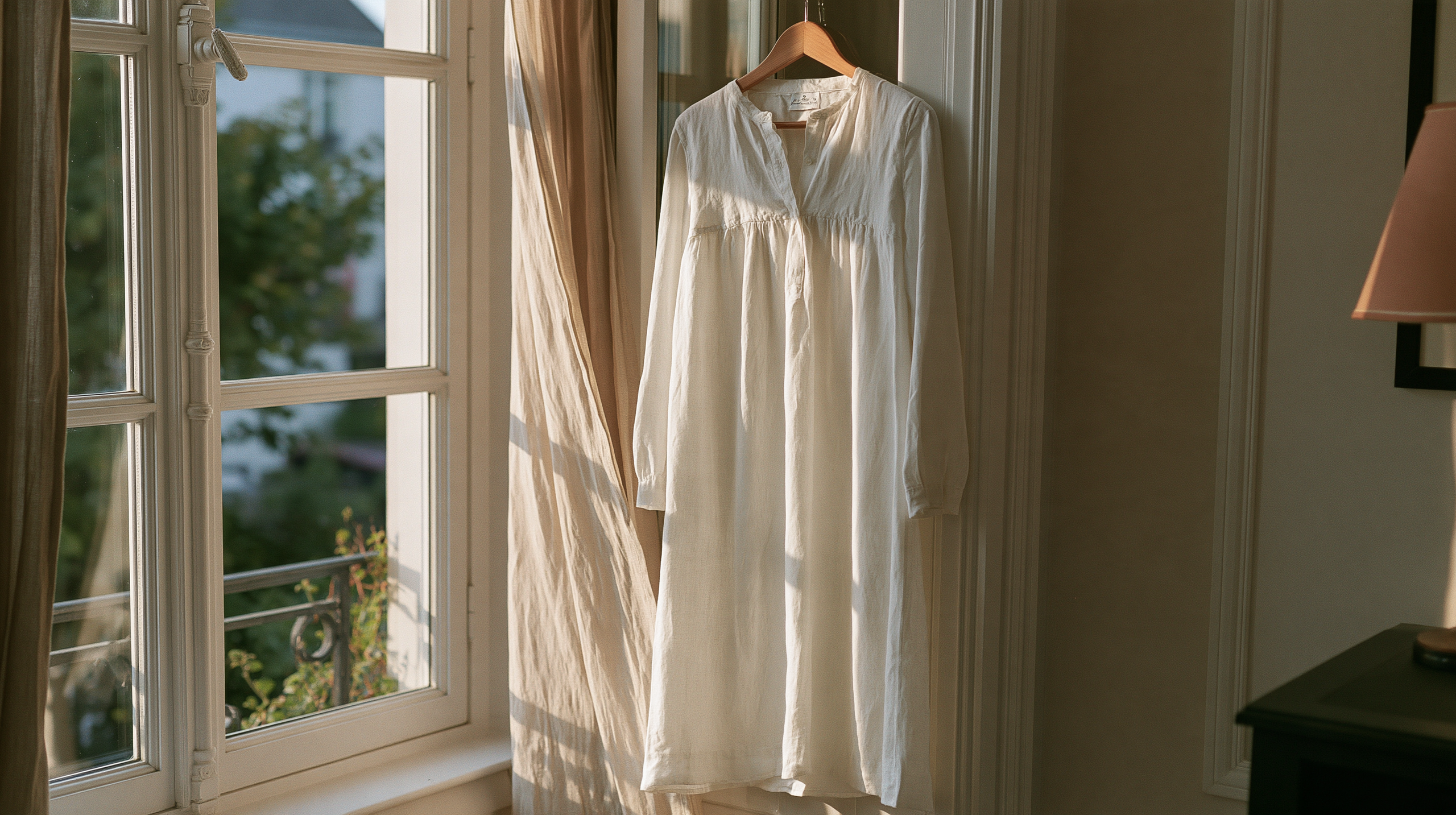
Not necessarily. Flax fibre is naturally resistant to holding onto odour and moisture, which is part of why linen has been a warm-weather fabric for thousands of years. If a piece has been worn for a few relaxed hours, without direct sweat or sunscreen, a good airing out on a hanger is often enough to freshen it before the next wear.
Myth: Washing Linen Often Wears It Out Faster
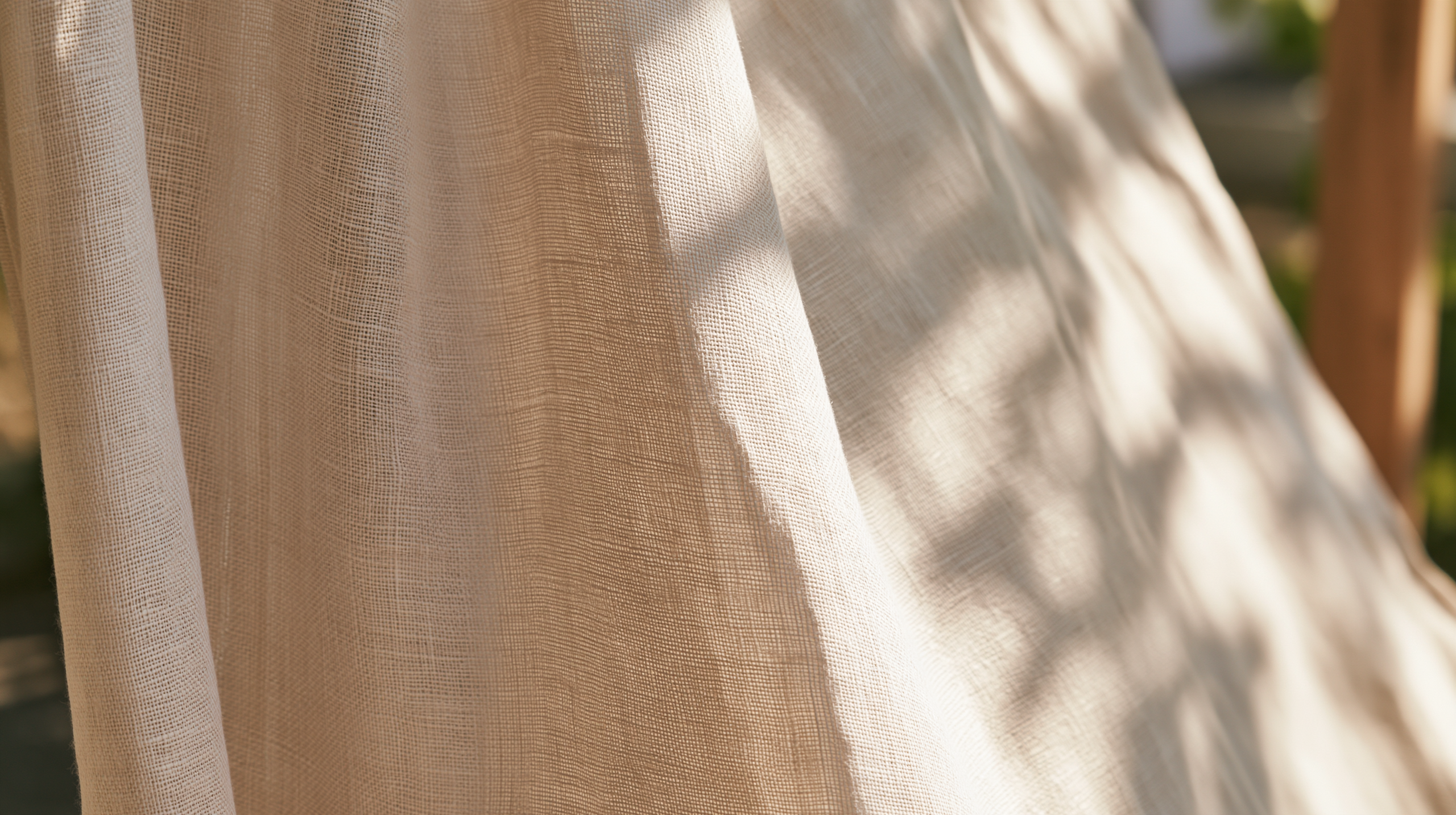
The opposite is closer to true. Linen is one of the stronger natural fibres, and regular, gentle washing is part of what helps it soften over time rather than break down. What actually shortens its life is harsh detergent, high heat, and rough machine cycles — not the frequency of the wash itself.
Myth: You Can’t Put Linen in the Washing Machine
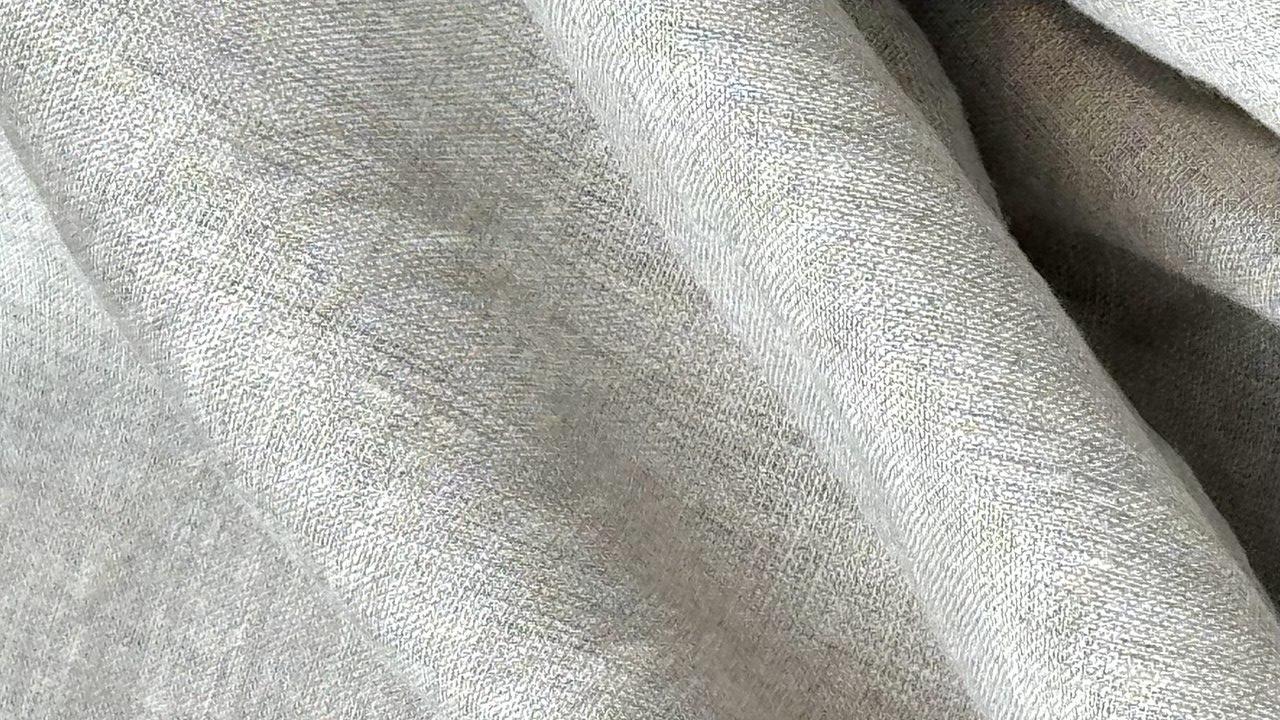
Most linen pieces are entirely machine washable — on a gentle or delicate cycle, with a mild detergent. Pure Vibe pieces can be washed at 40°C without worry: we pre-wash and prepare the fabric before it is even cut, so it will not shrink. With new linen from other makers, it is worth being a little more careful — fabric that has not been pre-shrunk can shrink at higher temperatures, so when in doubt, wash in cool water. Hand-washing is worth reserving for especially loose weaves or delicate embellishments, but for everyday linen, the machine on a gentle setting does the job well.

So, How Often, Really?
- Worn close to the skin in the heat, with some sweat — wash after each wear.
- Worn for a short time, or over another layer — air out, and wash every two to three wears.
- After a day at the beach or with sunscreen on — always wash, to protect the fibre from the oils.
- When in doubt, trust your own sense of it over a fixed rule. Linen is forgiving; it will tell you what it needs.

None of this needs to be exact. Linen has been dressing people through hot, humid climates for millennia, largely because it doesn’t demand perfect care — only attentive, occasional care. That’s part of what makes it easy to live in.